Thursday, 2 October 2008

DR Congo Conference in Sussex


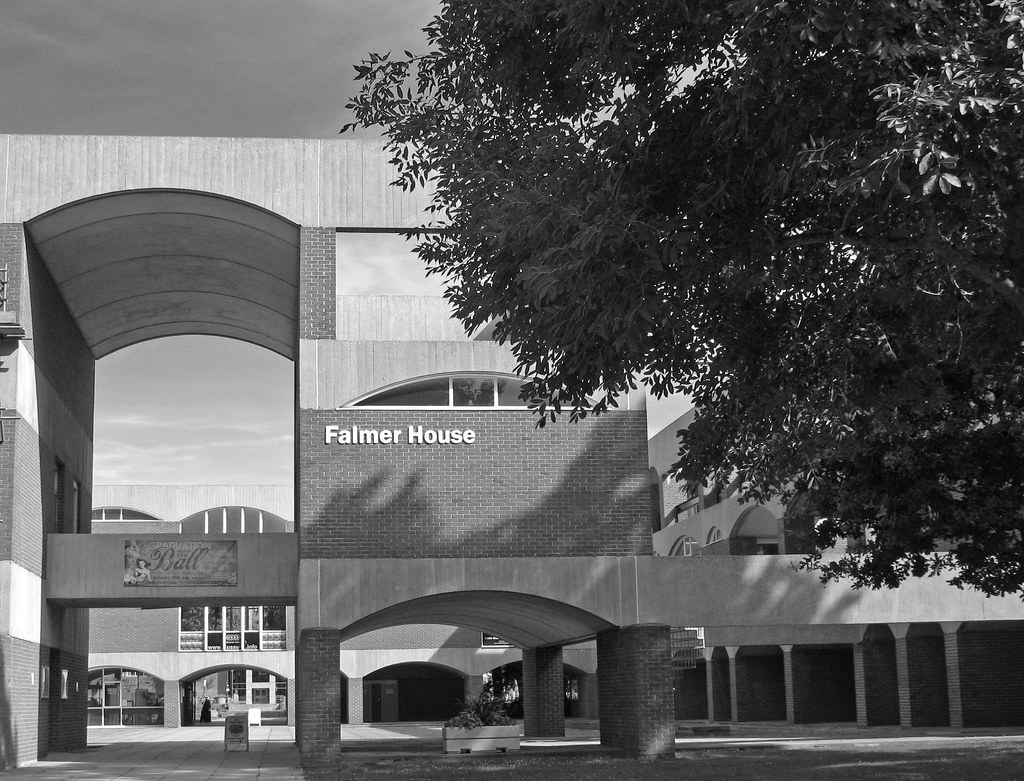
On the 11th November, a conference entitled "The Occupation in DR Congo: The new scramble for Africa" will be held in Mandela Hall, Falmer House at the University of Sussex.

The event is organised by the Hear Afrika and Suubira Uganda societies from the University of Sussex Students' Union, with the support of the International Relations and Anthropology departments.

The impressive list of confirmed speakers include:

• Hon.Tshela Compton, the DRC's ambassador to the UK

• Aldridge Harry, representing Nigel Farage MEP

• Stephen Carter, coordinator of the All Party Parliamentary Group on the Great Lakes Region of Africa

• Kofi Mawuli Klu, from the Afrika Soree-Ubuntu Democracy In Action Network

• Prof James Fairhead, of the University of Sussex's Anthropology Dept.

• Dr. Denis Tull, from Stiftung Wissenschaft und Politik (SWP),German Institute for International and Security Affairs

• Bob Labi, The Committee for a Workers' International

The event starts from 1pm, and we'll be in attendance running a stall, so come along and say Hi!

Wednesday, 1 October 2008

Crisis? What Crisis?


A survey published today by the British Red Cross showed that most British people are "unaware of African conflicts".

99% of respondents to the survey did not know that the Democratic Republic of Congo has suffered the highest civilian death toll of any country in conflict in the last ten years. 47% of people guessed that the country in question would be Iraq, while 14% went for Afghanistan.

People were also asked to name countries currently experiencing conflict. 69% of respondents identified Iraq and 65% Afghanistan, which could be expected given the British military's involvement, although the figures still seem relatively low given the media coverage of both conflicts.

12% identified Russia and 10% identified Zimbabwe but less than one percent of people interviewed identified areas such as Sudan or Somalia.

The results of the survey come just a day after the Red Cross appealed for access to victims of the fighting in North and South Kivu, in the eastern DRC.

Tuesday, 30 September 2008

Support Computer Training in DRC

By the very fact that you are reading this blog, I can safely say that using a computer is a part of your life. For most of you, I'd go so far as predicting that a good proportion of your life is spent at a computer, whether at work or at home.

As is the case everywhere else in the world, computer skills are becoming an increasingly important part of working life in the DRC, and some basic training can mean the difference between employment and unemployment. AMO-Congo is an organisation that was set up to help children who have been orphaned by HIV/AIDS to learn computer skills.

You can support the work they do by purchasing computer training as a gift here at Present Aid

Friday, 26 September 2008

Optimum Primus


Throughout the Congo's troubled history, there has been at least one industry whose continued productivity has been enjoyed by the locals, and that's the Bramlima Brewery, and it's flagship beer Primus.

As their TV advert shows, they've been an ever present fixture since they were founded in 1923, when the country was still a Belgian territory.

They then jump to 1960, where independence appears to have been marked by some relatively restrained dancing.

Next up is the 1974 football celebrations which mark the Congo's first qualification for the World Cup, as Zaire. In truth, however, they found the going tough in West Germany, losing 2-0 to Scotland, whose side included Kenny Dalglish, and 3-0 to Brazil. Their nadir however was in their second game, as they were beaten 9-0 by a rampant Yugoslavia. Enough to make you reach for a bottle of Primus...

Later in the same year, we see people chanting 'Ali' as they watch the 'Rumble in the Jungle' beamed around the country from the Mai 20 Stadium in Kinshasa.

The party continues in 1987 and today, but perhaps the less said about the somewhat sinister vision of 2050 the better...

Friday, 5 September 2008

Under African Skies

The tragic news of yesterday’s plane crash between Kisangani to Bukavu that killed 15 UN and NGO workers and 2 crew emphasises once again the dangers and difficulties of providing aid to the remotest regions of the Congo.

In a country so densely forested that earlier this year the BBC reported that villages are still being added to the maps, this means that aid workers must take incredible risks to transport supplies.

Tuesday, 2 September 2008

Once, Twice, Three times... Ilunga

Congolese international Hérita Ilunga (left) today completed a loan transfer to West Ham.

Ilunga's surname, a common name in the DRC, was identifed in 2004 as the 'most untranslatable' word in the world. The word is said to roughly indicate "a person who is ready to forgive any abuse for the first time, to tolerate it a second time, but never a third time", although the true meaning, and it's cultural connotations, are apparently lost in translation.

Monday, 25 August 2008

They don't drink Um Bongo in the Congo


Contrary to the wildly popular 90s advert, the "sunny, funny one they call Um Bongo" remains unavailable. The fruits may grow there, but one crucial ingredient - namely clean drinking water - is unavailable to most Congolese. Despite living on the banks of the world's second largest river, which discharges 41,800 cubic metres of water every second, over half of the 62 million people living in the DRC have no access to a single glass of drinkable water.

Kinshasa, for example, is home to almost eight million people but has no central sewerage system. Steven Lauwerier, who works for UNICEF in the DRC, argues that "Mainly the causes (of diseases in the DRC) are water quality."